
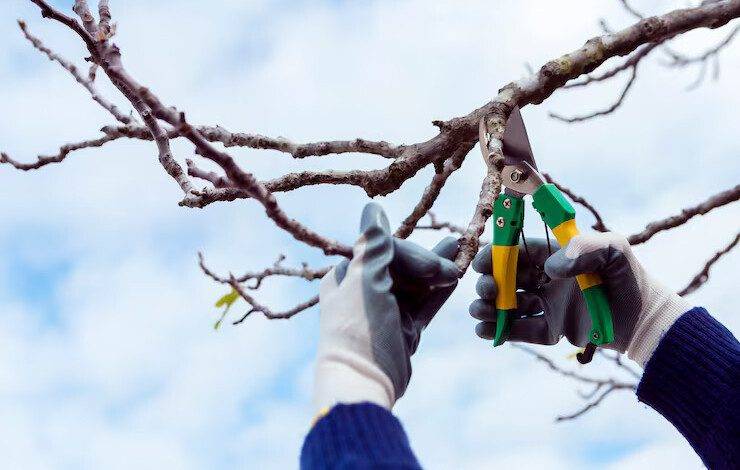
Tree Pruning Service in Woodstock, GA: The Complete Homeowner’s Guide

If you own a home in Woodstock, you already know how much the tree canopy adds to this city. Mature oaks line the older neighborhoods near downtown, and newer subdivisions off Bells Ferry and Ridgewalk Parkway are filled with young hardwoods still finding their shape. That canopy is also the reason so many homeowners here eventually need a tree pruning service in Woodstock. Overgrown limbs near a roofline, a canopy blocking sunlight from a garden, or a storm-damaged branch hanging over a driveway are common calls in Cherokee County.
This guide walks through everything a Woodstock homeowner should know before hiring a tree pruning service or scheduling any tree work services in Woodstock GA what pruning actually does, when to schedule it, what it costs, and how to tell a careful crew from a rushed one.
What Tree Pruning Actually Does for Your Property
Pruning is not the same as trimming a hedge. It is a targeted process of removing specific branches to improve a tree’s health, structure, and safety. Done well, it accomplishes a few things at once:
- Removes hazards. Dead, cracked, or hanging limbs are the leading cause of storm-related property damage in North Georgia.
- Improves structure. Removing crossing or rubbing branches early prevents weak forks that split later in the tree’s life.
- Increases airflow and light. A thinned canopy dries out faster after rain, which lowers the risk of fungal disease.
- Protects your home. Clearance pruning keeps limbs away from roofs, siding, gutters, and power lines.
- Supports long-term value. Well-maintained trees add curb appeal and can raise resale value, while damaged or overgrown ones can lower it.
A tree pruning service in Woodstock GA that skips the “why” and just starts cutting is usually one to avoid. Every cut should have a reason behind it.
The Best Time to Prune Trees in Woodstock, GA
Timing matters more than most homeowners realize. Georgia’s climate hot, humid summers and mild winters gives us a fairly wide pruning window, but it is not open all year for every tree.
Late fall through late winter (November to March) is the best general window for most deciduous trees, including oaks, maples, and hickories common throughout Cherokee County. During dormancy:
- Trees are not actively growing, so pruning causes less stress.
- Without leaves, it is easier to see the branch structure and make accurate cuts.
- Insects and fungal pathogens that spread through fresh wounds are far less active.
Spring-flowering trees, like dogwoods and redbuds, are the exception. Prune these shortly after they finish blooming in spring, not during winter dormancy, or you risk cutting off next year’s flower buds.
Summer is a reasonable time for light, corrective pruning, thinning a dense canopy or managing size but it is not the time for heavy structural cuts, since the tree is putting its energy into growth, not healing.
Any time of year is appropriate for removing dead, diseased, or storm-damaged branches. Hazards do not wait for the calendar, and neither should you.
Signs Your Trees Need Professional Pruning
Most Woodstock homeowners do not think about pruning until something looks wrong. Here are the signals worth acting on:
- Branches hanging over the roof, driveway, or power lines
- Dead or brittle limbs, especially after a storm
- A canopy that looks lopsided or unusually dense on one side
- Visible cracks, splits, or included bark where branches meet the trunk
- Fungus, mushrooms, or sawdust-like debris at the base of the tree
- Limbs rubbing against each other or against your house
- A tree that has not been pruned in three to five years
If you notice more than one of these, it is time to have a professional take a look rather than guessing from the ground.
DIY Pruning vs. Hiring a Tree Pruning Service
Small trees and low branches within reach of the ground are reasonable DIY projects with the right hand tools. Anything beyond that carries real risk.
When DIY makes sense:
- Young trees under 10–12 feet tall
- Removing small suckers or water sprouts
- Light shaping using hand pruners or loppers
When to call a tree pruning service:
- Any cutting that requires a ladder or climbing
- Branches near power lines
- Large limbs that could damage property or injure someone on the way down
- Trees showing signs of disease, decay, or structural failure
- Any job requiring a chainsaw at height
Tree work is one of the more dangerous jobs in residential property maintenance. A fall from height or a misjudged limb can cause serious injury, and improper cuts can permanently damage a tree’s ability to heal. If there is any doubt, the safer and cheaper long-term choice is a licensed, insured crew.
Common Pruning Techniques Used by Professionals
Understanding the terminology helps you have a more useful conversation with any tree work services provider in Woodstock GA.
Crown thinning — Selectively removing branches throughout the canopy to improve light penetration and airflow without changing the tree’s overall size or shape.
Crown raising — Removing lower branches to create clearance above driveways, walkways, or roofs.
Crown reduction — Reducing the overall height or spread of a tree, typically to relieve stress on weak limbs or manage size near structures.
Deadwooding — Removing dead, dying, or diseased branches, usually the first and most urgent step in any pruning job.
Structural pruning — Correcting the framework of a young tree so it develops strong branch angles and a single dominant trunk, reducing the risk of splitting later on.
A qualified crew will usually combine two or three of these techniques in a single visit, depending on the tree’s age, species, and condition.
What Affects the Cost of Tree Pruning in Woodstock
Pricing varies based on several factors, and any company that quotes a firm number without seeing the tree is guessing. What typically drives cost:
- Tree height and size — taller trees require more equipment and time
- Accessibility — trees near fences, structures, or power lines take longer to work around safely
- Number of trees — most companies offer better per-tree pricing for multiple trees in one visit
- Condition — dead or diseased trees often require extra care to avoid breakage during cuts
- Debris removal — hauling and chipping adds to the total versus leaving cut material on-site
- Permits — Woodstock and Cherokee County may require permits for certain removals or work near protected trees, which a reputable company will handle or flag for you
Ask for a written estimate that breaks down scope, not just a total dollar figure. It should specify which trees, which techniques, and what happens to the debris.
Native and Common Trees in Woodstock That Need Regular Pruning
Cherokee County’s tree cover includes a mix of native hardwoods and popular landscape species, each with slightly different pruning needs:
- Southern red oak and white oak — prune during dormant winter months to avoid attracting the beetles that spread oak wilt
- Dogwood — prune right after spring blooming to protect next year’s flowers
- Crepe myrtle — light structural pruning in late winter; avoid the heavy “crepe murder” cutback style that weakens the tree
- Southern magnolia — minimal pruning needed; remove only dead or damaged limbs
- Loblolly pine — limited pruning, mostly removal of dead lower limbs for clearance and fire safety
- River birch and maple — prune in early summer rather than late winter, since these species “bleed” sap heavily if cut during dormancy
Knowing what you have in your yard makes it easier to plan pruning around the right season instead of guessing.
Questions to Ask Before Hiring a Tree Work Service in Woodstock GA
Not every company advertising tree work services in Woodstock GA operates the same way. Before you sign anything, ask:
- Are you licensed and insured for tree work, including liability and workers’ compensation?
- Will a certified arborist inspect the tree before work begins?
- What specific pruning technique do you plan to use, and why?
- Who handles debris removal and cleanup?
- What happens if you damage a structure, fence, or utility line during the job?
- Can you provide a written estimate and a certificate of insurance on request?
A company confident in its work will answer these without hesitation. Hesitation, vague answers, or pressure to sign immediately are red flags.
How Often Should You Prune Your Trees?
For most established trees, a pruning cycle of every three to five years is typical for routine maintenance. Younger trees benefit from structural pruning every one to two years while their framework is still developing, since small corrections early prevent bigger problems later. Trees near your home, driveway, or power lines may need more frequent clearance checks, especially after severe weather, which is common in Georgia during spring and summer storm season.
Frequently Asked Questions
1. How much does tree pruning cost in Woodstock, GA?
Cost depends on tree size, accessibility, and condition, but most residential pruning jobs range from a couple hundred dollars for a single small tree to well over a thousand for large, mature trees requiring bucket trucks or climbing. A site visit and written estimate is the only reliable way to get an accurate number.
2. Do I need a permit to prune trees in Woodstock or Cherokee County?
Routine pruning usually does not require a permit, but removal of certain trees, particularly large hardwoods or those in protected zones may. Check with your HOA and the City of Woodstock before major work, or ask your tree service to confirm on your behalf.
3. How much of a tree can be safely pruned at once?
As a general rule, avoid removing more than 25 percent of a tree’s live canopy in a single season. Removing too much at once stresses the tree and can trigger excessive regrowth or decline.
4. Can pruning damage a healthy tree?
Yes, if done incorrectly or at the wrong time of year. Improper cuts, over-pruning, or cutting during active disease periods can weaken a tree, invite pests, or cause permanent structural problems. This is the main reason professional technique matters as much as timing.
5. What is the difference between tree pruning and tree trimming?
The terms are often used interchangeably, but pruning specifically refers to selective cuts made for the tree’s health and structure, while trimming more commonly describes shaping for appearance, such as hedges or shrubs. Professional tree pruning services typically address both structural health and aesthetics in the same visit.
Final Thoughts
Tree pruning is one of those maintenance tasks that pays off quietly. Done on the right schedule, with the right technique, it protects your home, keeps your trees healthy for decades, and avoids the much larger cost of emergency removal after storm damage. If you are unsure where your trees stand, the safest first step is a professional inspection rather than a guess from the ground.
If you are weighing your options for a tree pruning service in Woodstock, GA, Supreme Arbor provides inspection-based, standards-driven tree care across Cherokee County and the wider Metro Atlanta area with every job starting with a proper safety and site review before any cutting begins.