
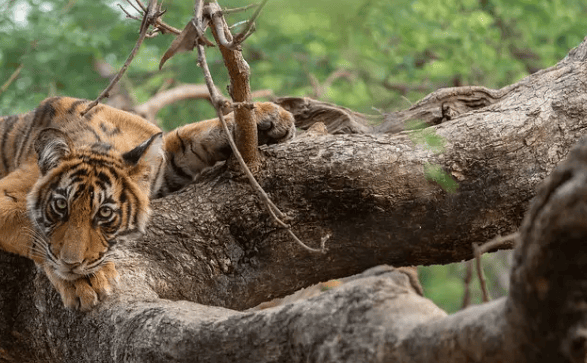
How Guided Jungle Safari Ranthambore Tours Improve Your Wildlife Sightings

Ranthambore National Park sits in the heart of Rajasthan, at the point where the ancient Aravalli and Vindhya mountain ranges meet. The park covers more than 1,300 square kilometres of dry deciduous forest, open grassland, seasonal lakes, and rocky ravines. A 10th-century fort rises from a hill deep inside the reserve, its stone walls draped in centuries of history. Below it, Bengal tigers move through golden grass and drink at the edges of still lakes where marsh crocodiles bask in the morning sun.
There is no wildlife experience in India quite like a jungle safari in Ranthambore. But the quality of what you see, and how you see it, depends almost entirely on how well your safari is planned and who is guiding you through the forest.
This guide explains exactly how guided jungle safari Ranthambore tours improve wildlife sightings, what separates an expert-led safari from a self-booked one, and everything you need to plan a Ranthambore wildlife safari that gives you the best possible chance of a meaningful encounter with the Royal Bengal Tiger.
Why Ranthambore Is India’s Most Rewarding Wildlife Safari Destination
Ranthambore became a wildlife sanctuary in 1955 and joined Project Tiger in 1973. Today it is one of India’s most successful tiger conservation stories, with a healthy and growing tiger population across both core and buffer zones. What makes Ranthambore unusual is that its tigers are active during the day, unlike most tigers elsewhere, which are largely nocturnal. This single fact makes the Ranthambore wildlife safari more productive and more visually dramatic than almost anywhere else in the country.
The park’s landscape works in favour of the visitor. Open grasslands, three large lakes, and the dramatic ruins scattered throughout the forest create sightlines that dense jungle parks cannot match. When a tiger emerges at the edge of Padam Talao in the early morning light, you can see it clearly, photograph it properly, and watch it behave naturally without obstruction.
Beyond tigers, a jungle safari in Ranthambore gives you access to leopards, sloth bears, striped hyenas, marsh crocodiles, jackals, nilgai, sambar deer, chital, and more than 300 species of birds. Every drive offers something different, and the combination of wildlife diversity, dramatic scenery, and historical backdrop makes this park a destination that draws serious naturalists and first-time visitors in equal measure.
What a Guided Jungle Safari Ranthambore Tour Actually Involves
A guided Ranthambore wildlife safari is not simply a jeep ride through the forest. It is a structured wildlife experience led by a trained naturalist who understands the park’s terrain, its resident tigers, and the subtle signals the forest sends before a sighting happens.
The Role of the Naturalist Guide
This is the most important variable in any jungle safari in Ranthambore. An experienced naturalist brings a layer of knowledge that transforms what you see and how you understand it.
They read alarm calls. When sambar deer snort or langur monkeys bark from the tree canopy, an experienced naturalist knows immediately what it means, which direction the call is coming from, and where to position the vehicle for the best possible view. These alarm calls are one of the most reliable indicators of tiger or leopard movement in the forest.
They track pugmarks and fresh scat. Before a tiger appears, it leaves signs on the dusty forest floor. A naturalist who has spent seasons in Ranthambore can read these signs in seconds and redirect the vehicle to where the action is heading, not where it has been.
They know the resident tigers individually. Ranthambore’s tigers have been studied and documented for decades. Many individuals have names and documented territories. A naturalist familiar with these tigers knows their ranges, their habits, the waterholes they favour at different times of year, and the routes they use between zones. This knowledge directly improves your chances of a sighting on every drive.
They position the vehicle correctly. When a sighting does happen, the naturalist guides the driver to a position that gives the best visibility without disturbing the animal. This is a skill that takes years to develop and cannot be replicated without it.
Jeep Safari vs Canter Safari in Ranthambore
Ranthambore offers two safari vehicle formats. The Gypsy, a six-seater open jeep, and the Canter, a larger vehicle that carries up to twenty passengers.
For any guided jungle safari Ranthambore visit focused on wildlife and photography, always choose the jeep. It moves faster, accesses narrower forest tracks, and can reposition quickly when something is sighted. Smaller groups also mean a quieter vehicle, which matters more than most first-time visitors realise. A quieter approach is more likely to produce an undisturbed sighting.
At The Wild Terrain, our guided Ranthambore wildlife safari departures use dedicated jeeps with small group sizes specifically to preserve the quality and intimacy of every drive.
Morning and Afternoon Safari Drives
Ranthambore runs two daily safari slots. Morning drives begin around 6:00 AM and last approximately three and a half hours. Afternoon drives start around 3:00 PM and run until the park closes at dusk. Both windows are productive for different reasons.
Morning safaris in Ranthambore have a slightly higher success rate for tiger sightings. Tigers that have been active through the night are often still moving in the early hours, and the cool temperature draws animals toward open areas and waterholes. The light at this time of day is also exceptional for photography, with soft directional light from low in the sky.
Afternoon drives benefit from the heat of the day pushing animals toward water. As temperatures peak and then begin to drop, activity increases near the lakes and waterholes, and the golden hour before dusk produces beautiful conditions for observation and photography.
On guided jungle safari Ranthambore tours planned by experienced operators, both morning and afternoon drives are included across your stay, giving you maximum exposure to the forest at its most active.
Understanding the Ranthambore Safari Zone System
Ranthambore is divided into ten safari zones. Understanding how this system works is one of the most practical things you can do to improve your wildlife sightings before your trip even begins.
Core Zones: Zones 1 to 5
Zones 1 through 5 are the established core zones and are widely considered the most productive for tiger sightings. They have higher tiger density, multiple water bodies, and the landscape features that tigers use most consistently across seasons.
Zone 3 is particularly well regarded. It includes Padam Talao, one of Ranthambore’s most iconic lakes, and the historic Raj Bagh ruins. Tigers come to the water consistently, especially during morning drives, and the combination of lake reflections, ancient stonework, and big cats in the frame makes this one of the most photographed safari zones in India.
Zone 4 is densely forested and home to some of Ranthambore’s most studied tigresses and their cubs. Sightings here tend to be closer and more intimate, within thick cover rather than open landscapes.
Zone 2 features open grasslands and rocky outcrops with multiple waterholes. It is an excellent zone for photographers who prefer clear sightlines and consistent animal movement.
Buffer Zones: Zones 6 to 10
The buffer zones are sometimes dismissed by first-time visitors, but experienced naturalists know their value well. In recent seasons, zones 6 and 10 in particular have recorded strong tiger sightings as the park’s growing tiger population expands into new territories. These zones are also quieter, with fewer vehicles on the same roads, which creates more natural conditions for observation.
Zone 1, while technically a buffer zone, is the territory of some of Ranthambore’s most documented tigers and has produced exceptional sightings consistently over recent years.
Why Zone Knowledge Matters on a Guided Safari
The single most important advantage a guided Ranthambore wildlife safari offers over a self-booked visit is zone intelligence. Knowing which zone to request based on current tiger movements, seasonal patterns, and recent sighting records is not information that appears on a booking website. It comes from consistent, recent experience on the ground.
An experienced guided tour operator books zones based on what is actually happening in the forest right now, not what happened six months ago. This is the difference between arriving at a productive zone at the right time of year and spending your drives in an area where tiger activity is currently low.
Permits for the core zones, particularly Zones 2, 3, and 4, fill up 90 days or more in advance during peak season. Booking your guided jungle safari Ranthambore tour early gives your operator the access needed to secure the permits that matter.
Best Time for a Ranthambore Wildlife Safari
Timing is one of the most practical decisions you will make when planning a jungle safari in Ranthambore. The park is open from October to June, with core zones closing during the monsoon months of July through September.
October to February: Cool Season Safaris
The cool season brings comfortable temperatures, lush post-monsoon vegetation, and excellent birdwatching. Winter migrants arrive from across Asia, and the forest fills with species that are absent during the hotter months. Tiger sightings are regular during this period, though the thick green vegetation can sometimes work against clear views. Morning drives in winter are particularly productive because tigers come out onto open tracks to warm themselves in the early sun.
This is also a popular period for family visits and first-time visitors to the Ranthambore wildlife safari circuit, as the weather is pleasant and the forest is at its most visually beautiful.
March to June: Peak Wildlife Season
March to June is the season that serious wildlife watchers and photographers plan their jungle safari Ranthambore visits around. As temperatures climb and water sources begin to shrink, animals concentrate at the remaining lakes and waterholes. Vegetation thins significantly, opening sightlines that the monsoon growth had closed. The frequency and quality of tiger encounters increases considerably.
April and May are the hottest months, with daytime temperatures reaching 40 degrees Celsius and above. Morning drives are essential during this period, starting before sunrise and using the cooler hours effectively. The reward for tolerating the heat is often the best tiger sightings of the year.
The Wild Terrain’s guided Ranthambore wildlife safari departures are timed to coincide with these productive seasonal windows, ensuring you are in the forest when conditions favour the strongest encounters.
How Guided Ranthambore Safari Tours Improve Wildlife Sightings: A Practical Breakdown
The gap between a guided jungle safari and a self-organised one comes down to a series of decisions that happen before you even step into the jeep. Here is where the difference is made.
Permit and zone strategy. A guided tour operator books the zones with the best current sighting records, not just whatever is available. This single decision can significantly change what you encounter.
Drive timing. Knowing exactly when to be at a particular waterhole or forest crossing is the kind of operational intelligence that only comes from experience. Naturalists who have spent multiple seasons in Ranthambore know these windows instinctively.
Reading the forest. Alarm calls, pugmarks, the posture of prey animals, the behaviour of birds around a water body every one of these is a signal that a trained naturalist processes in real time. A self-organised driver who knows the roads but not the forest misses most of these signals entirely.
Positioning. When a tiger is sighted, the first thirty seconds of vehicle positioning determines the quality of your view and your photographs for the next twenty minutes. A naturalist who has handled hundreds of sightings positions instinctively. A first-time driver often makes mistakes that limit the encounter.
Multiple drives across different zones. Booking four or more drives across your stay, spread across different zones and different times of day, is the most reliable strategy for improving sighting chances. Guided jungle safari Ranthambore tours structure this automatically. On a self-organised trip, the logistics of rebooking different zones across multiple drives is genuinely complex.
Patience and silence. The best sightings at Ranthambore often happen at waterholes where you wait quietly and let the forest come to you. A naturalist who has cultivated this patience over many seasons creates the right conditions in the vehicle. A group without that guidance often undermines its own chances.
Wildlife You Will See on a Ranthambore Wildlife Safari
The Bengal tiger draws visitors to a jungle safari in Ranthambore, but the park holds much more than its headline species.
Leopards are regularly sighted at Kachida Valley and along rocky ridges, particularly in the evening hours. Sloth bears are seen in Zones 5 and 6 and are particularly active during fruit season. Striped hyenas move through the park at dawn and dusk, occasionally crossing open tracks in the early morning light. Marsh crocodiles bask at the edges of all three major lakes throughout the day.
The deer population at Ranthambore is exceptional. Large herds of spotted deer and sambar are present across all zones, and nilgai graze on the open grassland edges. Watching a predator move through a herd of deer and reading how the prey animals respond is one of the most educational and captivating experiences a guided wildlife tour can offer.
The birdlife across the park includes painted storks, kingfishers, serpent eagles, peafowl, paradise flycatchers, and winter migrants that fill the lakeside vegetation during the cooler months. Zone 3’s Padam Talao is a particularly rewarding area for waterbirds, with egrets and herons visible at the lake edge alongside the possibility of tiger sightings.
The Wild Terrain’s Guided Ranthambore Wildlife Safari
At The Wild Terrain, our Ranthambore departure is designed around one clear principle: give our guests the best possible conditions for encountering wild tigers in their natural habitat.
Our guided jungle safari Ranthambore tours use small, private jeeps with trained naturalists who know the park’s current resident tigers, their territories, and the seasonal patterns that determine where and when sightings are most likely. We book permits in advance, prioritise the most productive zones for each season, and structure drives to cover both morning and afternoon windows across your stay.
Beyond the drives, our on-ground expertise extends to accommodation positioning, travel logistics, and the kind of daily briefings before each drive that prepare you to get the most from every hour in the forest. Whether you are a first-time visitor to a Ranthambore wildlife safari or a returning guest looking to go deeper, our team brings the local knowledge that makes every drive count.
Frequently Asked Questions About Jungle Safari Ranthambore
1. Which zone is best for tiger sightings on a jungle safari in Ranthambore?
Zones 2, 3, and 4 are consistently considered the strongest zones for tiger sightings due to higher tiger density, multiple water bodies, and more open terrain. Zone 3 in particular, which includes Padam Talao and the Raj Bagh ruins, is widely regarded as the most scenic and productive zone in the park. That said, buffer zones 6 and 10 have shown strong sighting records in recent seasons as the tiger population grows. An experienced guided tour operator books zones based on current animal movement data rather than a fixed preference, which is why working with a knowledgeable operator matters.
2. What is the best time to visit Ranthambore for a wildlife safari?
March to June offers the highest chances of tiger sightings, as shrinking water sources draw animals into the open. April and May in particular produce some of the most dramatic encounters of the year. October to February is cooler and more comfortable, with beautiful forest conditions and reliable sightings for those who prefer a less intense climate. The park is closed during the monsoon from July through September.
3. How many safaris should I do to maximize my chances of seeing a tiger?
A minimum of four safari drives across two to three days gives you a realistic chance of a meaningful sighting. More drives across different zones increase those chances further. No sighting is ever guaranteed in a wild forest, but multiple drives at different times of day and across different zones consistently improve the odds. Guided jungle safari Ranthambore tours structure your drives to cover the most productive windows across your stay.
4. Is a jeep safari better than a canter safari in Ranthambore?
Yes, for wildlife watching and photography. The jeep seats up to six people, moves more quickly, accesses narrower tracks that canters cannot use, and allows your naturalist to reposition rapidly when something is sighted. The canter is a more affordable option suitable for larger groups, but it offers less flexibility and a higher noise level. Serious wildlife visitors to the Ranthambore wildlife safari consistently prefer the jeep for these reasons.
5. Do I need to book a Ranthambore wildlife safari in advance?
Yes, and ideally well in advance. Permits for core zones open 90 days before the safari date and the best zones fill quickly, especially during peak season from November through May. For a guided jungle safari Ranthambore tour in high season, booking three to six months ahead gives your operator the access needed to secure productive zones and preferred drive slots. Last-minute bookings in peak season typically result in buffer zone allocations and limited flexibility.