
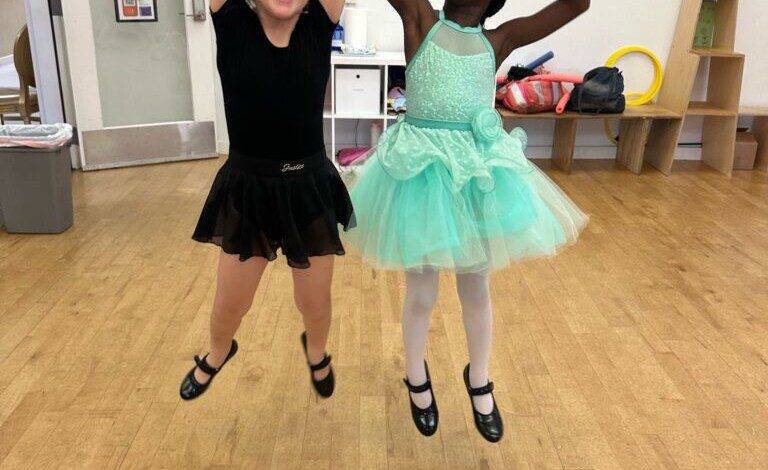
Chicago Dance Classes: Helping Kids Build Confidence, Creativity, and a Love of Movement

Chicago is a city full of opportunities for children to learn, explore, and discover new interests. Among the many activities available to families, dance offers a unique combination of physical activity, creativity, music, and social interaction. For children, learning to dance is not simply about memorizing choreography. It can be an enjoyable way to develop coordination, confidence, concentration, and self-expression.
For parents exploring Chicago dance classes, choosing a program that matches a child’s age, personality, and interests can make the experience more rewarding. A welcoming class can give children the freedom to learn new skills while enjoying the process.
Why Dance Is Beneficial for Children
Dance naturally combines movement and music, making it an engaging activity for children at different stages of development. Young dancers can learn basic movements and rhythms, while older children can gradually develop technique and more advanced choreography.
Supporting Physical Development
Dance encourages children to use their entire bodies. Stepping, jumping, turning, stretching, and balancing can help develop coordination and body awareness.
Regular participation can also encourage children to stay active. Rather than viewing exercise as a chore, children can experience physical activity as something creative and enjoyable.
Age-appropriate instruction is especially important for younger dancers. Classes designed around developmental abilities can introduce movement without placing unnecessary pressure on children to perform beyond their level.
Developing Focus and Listening Skills
Dance also requires concentration. Children need to listen to instructions, observe demonstrations, remember movements, and recognize changes in music.
As they practice combinations, they learn to pay attention to sequence and timing. These habits can reinforce patience and focus in other areas of everyday life.
Exploring Different Dance Styles in Chicago
One advantage of enrolling in Chicago dance classes is the variety of styles available to young dancers. Different styles can appeal to different personalities and interests.
Ballet
Ballet introduces children to posture, balance, rhythm, controlled movement, and basic terminology. Younger children may begin with simple exercises and gradually progress as their coordination and understanding improve.
Ballet can also provide a foundation for dancers who later want to explore other styles.
Tap
Tap combines movement and rhythm in a particularly interactive way. Children learn to create sounds with their feet while following musical patterns.
For energetic young dancers, tap can be an exciting introduction to timing, rhythm, and coordination.
Hip Hop
Hip hop can appeal to children who enjoy energetic music and expressive movement. Age-appropriate classes can introduce basic grooves, choreography, musicality, and creative movement in an encouraging setting.
It can also give children an opportunity to develop their own sense of style while learning to move as part of a group.
Combination Classes
For younger children who are still discovering their interests, combination classes can be a useful option. A single class may introduce two or more dance styles, allowing children to experience different types of movement before choosing a particular direction.
Finding a Convenient Dance Program in Chicago
Location matters for families. A class that is enjoyable but difficult to reach every week can quickly become challenging to maintain.
Fortunately, children’s programs are available across several Chicago neighborhoods. Dance To EvOLvE currently lists locations including Evanston, Kenilworth, Near North Side, Noble Square, North Center, West Loop, and West Town.
North Center
Families in North Center can find children’s classes hosted at Dance Center Chicago. The program includes creative movement and other age-appropriate options designed to help children develop skills while enjoying dance.
West Loop
West Loop classes are held at Chicago Children’s Theatre. The program includes creative movement as well as introductory combination classes incorporating styles such as tap, ballet, hip hop, or jazz.
Having neighborhood options can make regular participation more manageable for busy families.
What to Look for in Chicago Dance Classes
Not every dance program has the same teaching philosophy. Parents should consider more than the dance style when deciding where their child should enroll.
Age-Appropriate Instruction
A class should reflect the developmental needs of its students. Toddlers may need shorter sessions, playful activities, and caregiver participation, while older children can generally handle longer classes and more structured choreography.
For example, Dance To EvOLvE’s Chicago program lists classes for children ranging from toddler ages through approximately 10 years in its various class categories, with different formats and durations based on age.
A Positive Learning Environment
Children tend to learn more comfortably when they feel supported. Parents can look for instructors who encourage effort, explain movements clearly, and allow children time to develop at their own pace.
A positive environment can be especially important for children who are shy or hesitant about performing in front of others.
Balance Between Learning and Fun
Dance should provide opportunities to learn while remaining enjoyable. If every class feels focused exclusively on perfection, young children may lose interest.
Programs that use music, games, creative exercises, and age-appropriate choreography can make learning feel natural.
How Dance Can Build Confidence
Confidence is one of the most valuable outcomes children can gain from participating in an activity.
A child may initially struggle to remember a routine or feel nervous about dancing around classmates. With practice and encouragement, that same child may eventually perform the routine independently.
Celebrating Progress
Small achievements matter. Learning a new step, remembering choreography, participating in a group routine, or simply becoming more comfortable in class can all represent meaningful progress.
Parents can reinforce this growth by focusing on effort rather than comparing their child with other dancers.
Preparing for Performance
Some children’s dance programs include opportunities to perform in showcases or recitals. These experiences can teach children how to prepare, practice, work with a group, and present something they have learned.
Performance does not have to be about competition. For many young dancers, simply standing on stage and sharing what they have practiced can be a memorable confidence-building experience.
Dance as a Social Experience
Children also learn from being part of a group. Dance classes require students to share space, follow directions, take turns, and cooperate during choreography.
Teamwork and Communication
Group routines teach children that everyone has a role. Dancers must pay attention to timing and positioning while remaining aware of their classmates.
These experiences can strengthen cooperation and listening skills.
Making New Friends
A weekly class can also provide children with opportunities to meet peers who share an interest in music and movement. Over time, familiar classmates and teachers can create a comfortable sense of community.
For families looking for Chicago dance classes, this social element can be just as important as learning technique.
Making the Most of a Child’s Dance Experience
Parents can help children enjoy dance by keeping expectations realistic. Young dancers do not need to master every movement immediately. Regular attendance, encouragement, and patience are often more valuable than pushing for perfection.
It can also help to ask children what they enjoyed about class rather than focusing only on what they learned. This keeps the conversation centered on positive experiences and personal growth.
Dance To EvOLvE has offered children’s dance programs in the Chicago area since 2008, with a focus on age-appropriate classes, creativity, confidence, and learning through fun. Its Chicago offerings include tap, ballet, hip hop, creative movement, and combination classes at multiple neighborhood locations.
Choosing a Class That Fits Your Child
The best Chicago dance classes are not necessarily the most intensive or competitive. The right choice is one where a child feels comfortable, engaged, and motivated to keep learning.
Before enrolling, parents can consider the child’s age, preferred dance style, class schedule, location, instructor approach, and overall atmosphere. If possible, asking about class structure and expectations can help families make an informed decision.
Dance can become a meaningful part of childhood when learning and enjoyment go hand in hand. With the right environment, children can improve their physical skills, discover creative interests, develop friendships, and gain confidence one step at a time. For Chicago families, finding a supportive dance community can turn a weekly activity into an experience that children look forward to throughout the year.