How the Polio Vaccine Supports Public Health in New York City

Polio is a preventable disease, and vaccination remains one of the most effective ways to protect against it. Although routine immunization has significantly reduced polio cases, staying up to date with recommended vaccines continues to be an important part of preventive healthcare.
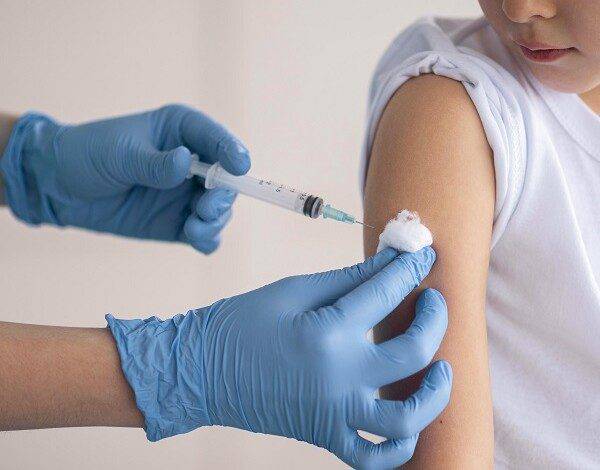
Receiving the Polio Vaccine in New York City not only helps protect individuals from poliovirus but also supports public health by limiting the spread of the disease. It is especially important for people who have not completed their vaccination schedule or are planning international travel.
Understanding Polio Disease
Polio is a kind of viral illness that people can catch from one another and which can damage the nervous system. Polio is mostly transmitted by food or water that contains the virus and by direct physical contact with those who are sick.
This disease usually causes very mild symptoms or no symptoms at all, although some cases have caused weakness of the muscles or even paralysis. Unfortunately, there is no treatment for polio, so immunization is a very effective way of defending oneself from the viral infection.
Why Vaccination Still Matters
Routine immunization has greatly reduced polio cases over the years. However, the virus still exists in some parts of the world, and international travel can increase the risk of exposure. Receiving the Polio Vaccine in New York City helps:
- Protect individuals from poliovirus.
- Reduce community transmission.
- Support higher vaccination coverage.
- Protect people who cannot be vaccinated for medical reasons.
- Help prevent future outbreaks.
Maintaining high vaccination rates remains an important part of protecting public health.
Who Should Consider the Polio Vaccine?
Vaccination against polio is among those that form part of the routine immunization schedule of children in the US. Nevertheless, vaccination may also be advised for specific individuals, and these include:
- People who were never vaccinated.
- Individuals who did not finish the required vaccinations.
- Workers in healthcare facilities or laboratories are at high risk.
- Individuals traveling to areas with the poliovirus.
A healthcare provider can review your vaccination history and determine whether additional doses or a booster are appropriate.
The Importance of Polio Vaccination for Travelers
Traveling abroad means exposing oneself to pathogens that do not affect Americans very often. Some countries still experience poliomyelitis infections, and hence, it is necessary to be vaccinated before traveling abroad.
Clinics that offer Travel Vaccines in NY usually evaluate the need for polio vaccines on the basis of the traveler’s destination, past medical history, and vaccinations received before. In certain cases, a traveler may have to take a booster vaccine before leaving the country.
How the Polio Vaccine Benefits the Community
Vaccination plays a key role in protecting public health because it helps reduce the number of people who are vulnerable to infection. Community-wide vaccination helps to:
- Lower the risk of virus transmission.
- Protect infants and vulnerable individuals.
- Reduce the chance of outbreaks.
- Support safer schools, workplaces, and public spaces.
The more people who stay up to date with recommended vaccinations, the stronger the overall protection for the community.
Is the Polio Vaccine Safe?
The inactivated polio vaccine (IPV) has been used in the United States and has been used safely for many years. It does not contain live virus and cannot cause polio. Most people experience no significant side effects.
When reactions occur, they are generally mild and may include temporary soreness or redness where the vaccine was given. If you have questions about your vaccination history or possible allergies, speak with a healthcare provider before receiving the vaccine.
Keeping Your Vaccinations Up to Date
Vaccination records are important, especially for families, students, healthcare workers, and international travelers. Reviewing your immunization history can help determine whether:
- Your childhood vaccination series was completed.
- You may need a catch-up vaccination.
- A booster is recommended before international travel.
Keeping vaccinations current provides long-term protection and helps support public health efforts.
Closing Remarks
Vaccinations are still very important in preventing people from getting some of these illnesses that can be prevented, including polio. Having your Polio Vaccine in New York City will help protect yourself and others from these diseases and also provide extra protection to those who travel outside the country.
Regardless of whether you are checking your vaccinations or planning to go on a trip, visiting a medical professional regarding your vaccination requirements is one of the most important things that you need to do.